


Learning English doesn’t stop when the lesson ends. In fact, some of the most powerful language learning happens outside the classroom, especially when you are living and studying in an English-speaking place like Donegal.
From chatting with classmates to enjoying local activities, every experience is an opportunityto improve your English naturally and confidently.
At Donegal English Language School, we encourage students to immerse themselves fully in daily life, use English in real situations, and enjoy the journey. Here are our top 10 practical tips to help you keep learning English through music, movies, conversations, and everyday experiences during your stay.

1. Podcasts, Videos, and Books – Immerse Yourself (You Don’t Have to Understand
Everything)
One of the best ways to improve your English is by surrounding yourself with it as much as possible. Listen to podcasts, watch YouTube videos, TV shows, or films, and read books, blogs, or short articles in English. Choose topics you enjoy so learning feels fun rather than like homework. Don’t worry if you don’t understand every word. This is completely normal. Focus on understanding the general idea, tone, and key vocabulary. Over time, your brain will start recognising patterns, phrases, and pronunciation naturally. Even 15–20 minutes a day can make a big difference.
2. Go to the Cinema
Going to the cinema is not just entertainment—it’s a brilliant language-learning activity. Watching films in English helps improve your listening skills, pronunciation, and understanding of natural speech, accents, and expressions. Many students are delighted to discover that cinema trips are often included as part of their stay or social programme at DELS. Watching movies with classmates also gives you something to talk about afterwards, helping you practice speaking and sharing opinions in English in a relaxed setting. Luckily we´ve got you covered with weekly cinema visits to our Eclipse Multi screen cinema in Bundoran.
3. Engage in Conversations with Your Classmates
Your classmates are one of your greatest learning resources. Even if you share the same native language, try to speak English together as much as possible. This creates a supportive environment where everyone is learning and making mistakes together. Use English during breaks, meals, trips, or activities. Simple conversations about your day, your plans, or your classes build confidence and fluency. The more you speak, the more natural it becomes.
4. Make Friends from Different Nationalities
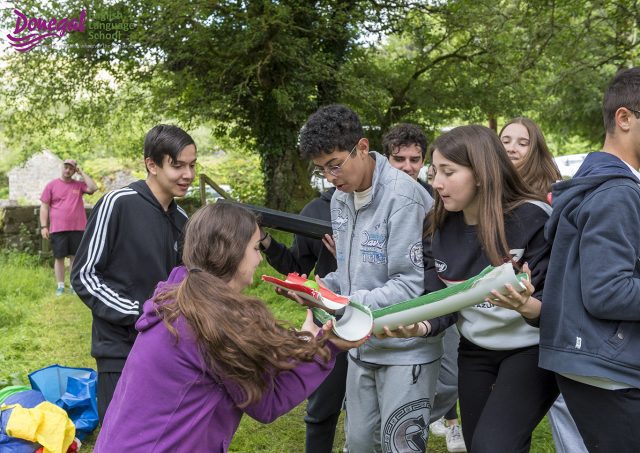
One of the best parts of studying English at DELS is meeting people from all over the world. Making friends with students from different countries encourages you to use English as your common language. These international friendships help you practise English in real situations and learn about different cultures at the same time. It also prevents you from relying too much on your native language, which can slow your progress. Plus, these friendships often last long after your course ends.
5. Take Part in a Work Experience Programme
If you have the opportunity, joining a work experience programme is an excellent way to improve your English quickly. It allows you to practice professional and everyday English while gaining valuable real-world experience. Working with native speakers helps you learn useful vocabulary, improve your listening skills, and understand how English is used in the workplace. It also builds confidence and independence, making it a great addition to your language learning journey.
6. Talk to Your Coordinators and Teachers – Approach Native Speakers
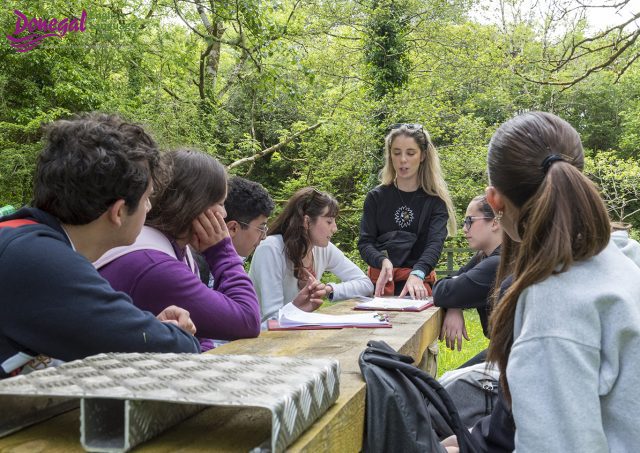
Your coordinators, teachers, and host families are there to support you, so don’t be afraid to talk to them. They are native or fluent speakers and are always happy to help you practice English. Ask questions, share how you’re feeling, or simply start small conversations. These interactions help you become more comfortable speaking English in everyday situations and improve your listening skills in a natural, friendly way.
7. Don’t Be Afraid to Ask Questions – Practice Makes Perfect
Making mistakes is a normal and important part of learning a language. If you don’t understand something, ask. If you don’t know how to say a word, try anyway. Every question you ask and every mistake you make helps you learn. The more you practice, the better you become. Remember, nobody expects you to be perfect—confidence grows with practice.
8. Engage in Hobbies and Activities – Learn Vocabulary Through Experience
Donegal offers amazing activities such as surfing, horse riding, and multi-activity programmes. These hobbies are not only fun but also fantastic opportunities to learn English. Before or during your activity, study some vocabulary related to your hobby. Listen carefully to instructions, talk to instructors and other students, and ask questions. Learning vocabulary through real experiences helps you remember it more easily and use it naturally.
9. Independent Study – Follow Your Interests
Independent study doesn’t have to mean textbooks and grammar exercises. Engage with English through topics you love. Read magazines, blogs, or articles about sports, fashion, travel, technology, or music. When you study things that interest you, learning feels enjoyable and motivating. This kind of reading expands your vocabulary, improves comprehension, and keeps you connected to the language outside the classroom.
10. Try Journaling in English – Write About Your Day
Journaling is a simple but powerful way to improve your English. Try writing a short paragraph each day about what you did, how you felt, or what you learned. Write down new words you hear or read during the day, then look them up and try to use them in sentences. This habit improves writing skills, reinforces vocabulary, and helps you reflect on your progress.

Final Thoughts
Improving your English is about more than just lessons—it’s about living the language. By staying curious, being brave, and using English in everyday situations, you’ll see progress faster than you expect. Enjoy your time in Donegal, take part in activities, make friends, and remember: every conversation is a chance to learn.
Want to know more? Message us or visit our instagram to see DELS in action!